

Why Your uPVC Door Won’t Lock Properly (And How It’s Fixed)

If your uPVC door won’t lock properly, it is usually a sign of an underlying mechanical issue that should not be ignored. A door that sticks, feels stiff, or refuses to lock securely can quickly become both a security risk and a daily frustration.
This guide explains the most common reasons why uPVC door locks fail, what typically causes these issues, and how they are professionally fixed. Whether you are dealing with a dropped door, a worn locking mechanism, or alignment problems, understanding the root cause can help you take the right next step.
For homeowners, landlords, and businesses, resolving these issues early can prevent more costly repairs later and ensure your property remains secure.

Why Won’t My uPVC Door Lock Properly?
If your uPVC door won’t lock properly, there is usually a straightforward explanation. Most problems come down to wear and tear or small changes in how the door sits in the frame.
The Door Has Gone Out Of Alignment
This is one of the most common causes. Over time, doors shift slightly. It might not be obvious at first, but even a small movement can stop the locking points from lining up properly.
You might notice:
The handle is harder to lift
The door needs a push to close
The lock only works in certain positions
This type of issue is often resolved with adjustments rather than replacements, which is why many homeowners start with a simple lock repair service.
The Locking Mechanism Is Wearing Out
uPVC doors use multi-point locking systems, which means they lock in several places along the frame. These systems work hard every day, so over time, parts inside can wear down.
When this happens:
The lock feels stiff or rough
You hear clicking or grinding
The key does not turn as easily as it used to
If left too long, this can lead to full failure, which may then require a full lock change or upgrade.
The Door Has Dropped Slightly
A dropped door is another very common issue. This happens when the hinges no longer hold the door perfectly level.
You might notice:
The door catching on the frame
Gaps appearing around the edges
The lock becoming harder to engage
There Is A Problem With The Lock Cylinder
Sometimes the issue is not the door, but the lock itself.
Signs include:
Key getting stuck
Key not turning fully
Lock jams unexpectedly
Temperature Changes Are Affecting The Door
uPVC can expand and contract depending on the weather.
On warmer days, the door might feel tighter. In colder weather, it may feel slightly looser. This can affect how easily the lock lines up and works.
What Are The Early Signs Something Is Wrong?
Most uPVC door lock problems do not happen overnight. There are usually warning signs first.
Keep an eye out for:
A handle that feels stiff or heavy
A key that does not turn smoothly
The door needing extra effort to close
Locks that only work when the door is pushed or lifted
If you notice these early, it is often a quick fix. Ignoring them can lead to bigger issues or even needing emergency help, such as lockout assistance.
How Are These Problems Actually Fixed?
The fix depends on what is causing the issue, but most repairs are simpler than people expect.
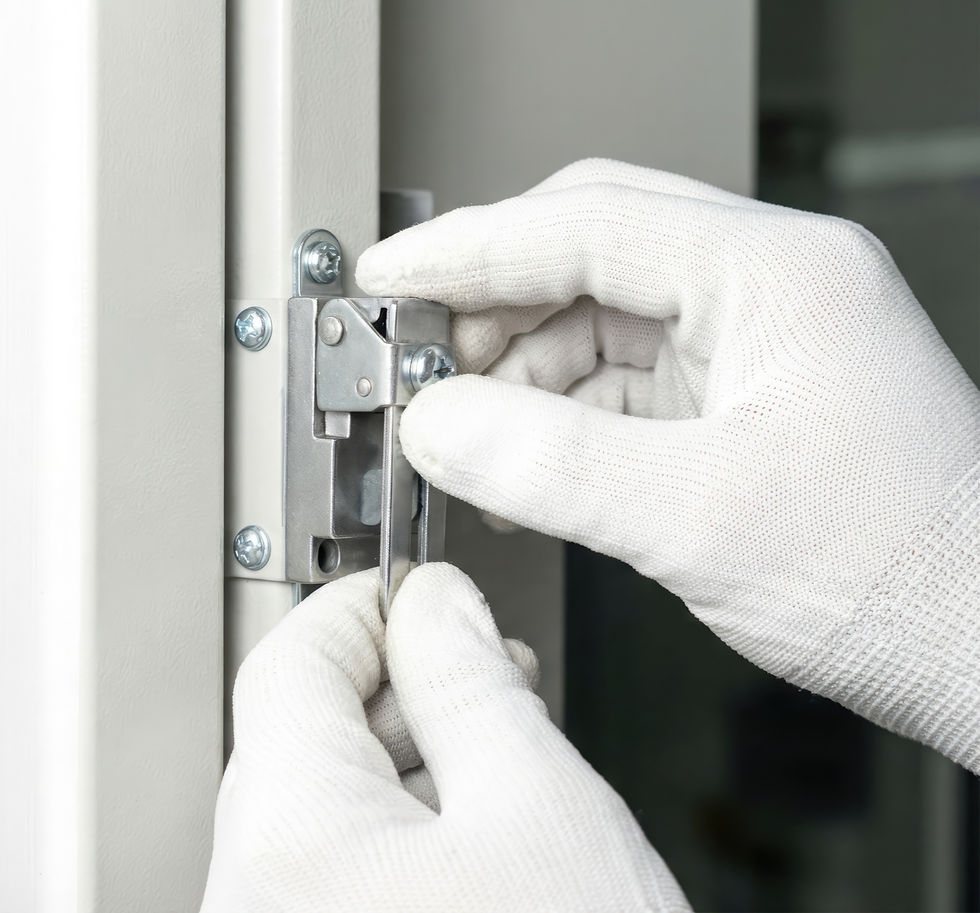
Realigning The Door
If the door has shifted, it can often be adjusted back into place by working on the hinges.
This usually:
Takes pressure off the lock
Makes the handle easier to use
Restores smooth locking
Repairing Or Replacing The Mechanism
If the internal parts are worn, the locking mechanism may need repairing or replacing.
This helps:
All locking points engage properly
The door secure evenly
The lock feel smooth again
If damage has occurred due to force or attempted entry, this may overlap with burglary repair services.
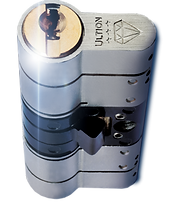
Replacing The Lock Cylinder
If the cylinder is the issue, swapping it out is a straightforward fix.
It also gives you the chance to improve security and bring your locks up to modern standards.
Adjusting The Hinges
For dropped doors, hinge adjustments can make a big difference.
This can:
Lift the door back into position
Stop it from catching on the frame
Improve how the lock works
Can You Fix It Yourself?
It can be tempting to try to fix a uPVC door that won’t lock properly, especially if it seems like a small issue.
In reality, most problems need the right tools and experience. Adjusting the wrong part or forcing the lock can make things worse and lead to a bigger repair.
In many cases, what looks like a simple fix can actually involve multiple components working together, which is why professional assessment is recommended.
How Can You Prevent These Problems?
A bit of maintenance can go a long way when it comes to keeping your door working properly.
Simple things you can do include:
Keeping hinges clean and lightly lubricated
Avoiding slamming the door
Checking how the door closes regularly
Using the correct lubricant for locks
These steps can reduce wear and help avoid needing repairs in the future.
When Should You Call A Locksmith?
If the door is becoming difficult to lock, it is best not to wait until it stops working completely.
You should get help if:
The door will not lock at all
The key is sticking or not turning
The handle feels unusually stiff
The door looks out of line
If you are experiencing these issues, you can contact a local locksmith to arrange a quick inspection and avoid further problems.
Need Help Fixing Your Door?
If your uPVC door won’t lock properly, it is usually something that can be resolved quickly with the right repair.
Rather than forcing the lock or waiting for it to fail completely, it is always better to deal with the issue early.

Comments